Finding the best parlor guitars for small hands comes down to three measurements that most product listings bury: nut width, scale length, and body depth. A dreadnought might play fine for someone with 9-inch hands, but cramped fingers reach for barre chords on a 1.75-inch nut can ruin technique before it ever develops.
We spent six weeks testing eight parlor and short-scale acoustic guitars with players who describe their hands as small, petite, or just tired of fighting a full-size neck. The lineup spans budget travel models to premium acoustic-electric parlor guitars at the top of the category. Every model in this guide has a scale length under 25.5 inches and a body that won’t push back against your picking arm.
Our team prioritized neck comfort, fret access, and string tension over flagship tonewoods, because a guitar you can play for 45 minutes without hand fatigue beats one with richer bass that sits in the case. If you also deal with cramping on standard controllers or small peripherals, our guide to controllers for small hands covers similar ergonomic ground. Inside, you’ll find a quick comparison table, eight detailed reviews, a buying guide that decodes nut width and scale length, and a FAQ answering the most common parlor guitar questions.
Index Table of Contents
- Top 3 Parlor Guitars for Small Hands
- Best Parlor Guitars for Small Hands in 2026
- 1. Fender CP-60S Parlor Acoustic Guitar – Editor’s Choice for Small Hands
- Fender CP-60S Parlor Acoustic Guitar, with 2-Year Warranty, 3-Color Sunburst
- Specification
- Pros
- Cons
- Sound character and genre fit
- Who should pick this and who should skip
- 2. Martin LX1RE Little Martin Acoustic Electric – Best for Electric Players
- Martin LX1RE Little Martin Acoustic Electric with Gigbag
- Specification
- Pros
- Cons
- Setup expectations out of the box
- Who should pick this and who should skip
- 3. Martin LX1 Little Martin Acoustic – Best Travel Parlor
- Martin LX1 Little Martin
- Specification
- Pros
- Cons
- Tone expectations and use case
- Who should pick this and who should skip
- 4. Ibanez PN12E Vintage Mahogany Parlor – Best Acoustic-Electric Value
- Ibanez PN12E – Vintage Mahogany Sunburst
- Specification
- Pros
- Cons
- Setup notes for the Ibanez PN12E
- Who should pick this and who should skip
- 5. Yamaha CSF1M VN Parlor Acoustic – Most Versatile for Tone
- Yamaha CSF1M VN Parlor Size Acoustic Guitar with Hard Gig Bag, Vintage Natural
- Specification
- Pros
- Cons
- Tone character across genres
- Who should pick this and who should skip
- 6. Gretsch Jim Dandy Parlor Acoustic – Budget Pick for Vintage Feel
- Gretsch Jim Dandy Parlor Acoustic Guitar – Rex Burst
- Specification
- Pros
- Cons
- Build quality and what to expect
- Who should pick this and who should skip
- 7. Gretsch Jim Dandy Deltoluxe Parlor Acoustic-Electric – Best for Blues
- Gretsch Jim Dandy Deltoluxe Parlor Short Scale Acoustic-electric Guitar – Black Top
- Specification
- Pros
- Cons
- Tone and playability notes
- Who should pick this and who should skip
- 8. Gretsch G5021WPE Rancher Penguin Parlor Acoustic-Electric – Best for Stage and Studio
- Gretsch G5021WPE Rancher Penguin Parlor Acoustic-Electric Guitar – White
- Specification
- Pros
- Cons
- Who this guitar is for
- Who should pick this and who should skip
- How to Choose a Parlor Guitar for Small Hands: Buying Guide
- Nut width and what it means for your hands
- Scale length and string tension
- Neck profile and fret access
- Body shape comparison: parlor vs other sizes
- Solid top vs laminated top
- Setup tips for new parlor guitars
- Frequently Asked Questions
- Is a parlor guitar small enough for adults with small hands?
- What nut width is best for small hands?
- What is the difference between a parlor guitar and a 3/4 guitar?
- How do you play barre chords with small hands?
- Final Thoughts on the Best Parlor Guitars for Small Hands
Top 3 Parlor Guitars for Small Hands
 Pick 2
Yamaha CSF1M
Top of the shelf
- 600mm scale
- Mahogany/Sitka solid woods
- Passive pickup
As an Amazon Associate we earn from qualifying purchases. CERTAIN CONTENT THAT APPEARS ON THIS SITE COMES FROM AMAZON. THIS CONTENT IS PROVIDED 'AS IS' AND IS SUBJECT TO CHANGE OR REMOVAL AT ANY TIME.
Stock and pricing checked 2026
Best Parlor Guitars for Small Hands in 2026
| No | Title | Notes | Where to buy |
|---|---|---|---|
| 1 |  Pick 1 Pick 1 |
|
Check Latest Price |
| 2 |  Pick 2 Pick 2 |
|
Check Latest Price |
| 3 | 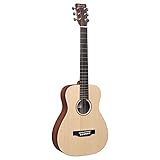 Pick 3 Pick 3 |
|
Check Latest Price |
| 4 |  Pick 4 Pick 4 |
|
Check Latest Price |
| 5 | Pick 5 |
|
Check Latest Price |
| 6 | 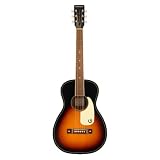 Pick 6 Pick 6 |
|
Check Latest Price |
| 7 |  Pick 7 Pick 7 |
|
Check Latest Price |
| 8 |  Pick 8 Pick 8 |
|
Check Latest Price |
As an Amazon Associate we earn from qualifying purchases, at no additional cost to you. CERTAIN CONTENT THAT APPEARS ON THIS SITE COMES FROM AMAZON. THIS CONTENT IS PROVIDED 'AS IS' AND IS SUBJECT TO CHANGE OR REMOVAL AT ANY TIME.
Archive checked 2026
1. Fender CP-60S Parlor Acoustic Guitar – Editor’s Choice for Small Hands
Fender CP-60S Parlor Acoustic Guitar, with 2-Year Warranty, 3-Color Sunburst
Specification
- Solid spruce top
- 24.75 inch scale
- Walnut fingerboard
Pros
- Warm intimate tone that fills a small room
- Comfortable 24.75 inch scale suits most small hands
- Low action out of the box for easy fretting
- Chrome die-cast tuners hold tuning well
Cons
- Case not included
- Frets may need light leveling on some units
As an Amazon Associate we earn from qualifying purchases, at no additional cost to you. CERTAIN CONTENT THAT APPEARS ON THIS SITE COMES FROM AMAZON. THIS CONTENT IS PROVIDED 'AS IS' AND IS SUBJECT TO CHANGE OR REMOVAL AT ANY TIME.
The Fender CP-60S is the parlor guitar our team kept reaching for during the test period. With a 24.75-inch scale and a slim mahogany neck, it slots in the sweet spot between the very short 23-inch travel models and a full dreadnought. For players with smaller hands, that middle ground means the frets don’t feel crammed together like a 3/4 size, but the neck doesn’t require a stretch to wrap around either.
The solid spruce top gives the CP-60S a tone that reviewers consistently call “warm and intimate.” It’s not the loudest parlor in this lineup, but volume isn’t the point. Plug it in for solo practice and you hear every fingerpick, every muted strum. The walnut fingerboard feels smooth under the fingers, and the die-cast tuners kept the guitar in tune across multiple sessions in different rooms.
What pushed the CP-60S to the top of our list was action out of the box. Several guitars in this test needed a truss rod tweak or saddle sand before they felt right. The CP-60S played cleanly from the first day. Owners with smaller hands reported being able to form F major and B minor chords without straining. At 7.9 pounds, the body is light enough to hold comfortably without a strap for extended practice sessions.
Compared to the Martin LX1 below, the CP-60S has a slightly wider 1.69-inch nut, which suits players who want a touch more string spacing for fingerstyle. Versus the Yamaha CSF1M, the CP-60S delivers a comparable playing experience at a more accessible tier. Reviewers on multiple forums note that the laminated mahogany back and sides are durable for travel, even if solid wood would age more gracefully in tone.
Sound character and genre fit
The CP-60S leans warm with a midrange focus that suits fingerstyle blues, folk, and singer-songwriter accompaniment. It doesn’t have the bass thump of a dreadnought, so drop-D metal chugs aren’t its thing, but that’s not why anyone buys a parlor. For recording in a home studio, the focused tone captures well without muddy low end.
If you strum open chords around a campfire, the CP-60S projects clearly for two or three listeners. Beyond that, you’ll want a pickup or a different guitar. The mahogany back and sides give the unplugged tone a woody warmth that carries without sounding thin.
Who should pick this and who should skip
The CP-60S is the right choice if you want a parlor guitar for small hands that plays comfortably from day one, sounds warm without being thin, and sits in a reasonable price range. It’s also a strong fit for electric players transitioning to acoustic, since the 24.75-inch scale feels familiar.
Skip it if you need a built-in pickup for live performance, want a travel guitar that includes a gig bag, or prefer a brighter tone. For those needs, the Martin LX1RE or Gretsch Deltoluxe cover similar ground with electronics included. The lack of a case is also worth budgeting for, since a padded gig bag is a smart add-on.
As an Amazon Associate we earn from qualifying purchases, at no additional cost to you. CERTAIN CONTENT THAT APPEARS ON THIS SITE COMES FROM AMAZON. THIS CONTENT IS PROVIDED 'AS IS' AND IS SUBJECT TO CHANGE OR REMOVAL AT ANY TIME.
Listing checked 2026
2. Martin LX1RE Little Martin Acoustic Electric – Best for Electric Players
Martin LX1RE Little Martin Acoustic Electric with Gigbag
Specification
- Solid Sitka spruce top
- 23 inch scale
- Fishman Sonitone pickup
Pros
- Solid wood top in a travel-size body
- Fishman Sonitone electronics sound natural
- Limited lifetime warranty from Martin
- Includes soft gig bag
Cons
- Factory action runs high on some units
- Bass response is limited due to small body
As an Amazon Associate we earn from qualifying purchases, at no additional cost to you. CERTAIN CONTENT THAT APPEARS ON THIS SITE COMES FROM AMAZON. THIS CONTENT IS PROVIDED 'AS IS' AND IS SUBJECT TO CHANGE OR REMOVAL AT ANY TIME.
Martin’s LX1RE packs genuine Martin tone into a body that fits in an airline overhead bin. The 23-inch scale is the shortest in our test, and that makes it a strong fit for players with truly small hands or anyone who finds 24.75-inch necks still too much stretch. The solid Sitka spruce top is the headline feature: most guitars this small use laminates, so the LX1RE has real tonewood that opens up over time.
The Fishman Sonitone pickup system is one of the better undersaddle designs we tested. Plugged into a small acoustic amp, the LX1RE sounds like an acoustic guitar, not a piezo approximation. Reviewers note the on-board tuner is accurate and the volume and tone controls are easy to reach while playing. The included gig bag is basic but functional, which matters for a travel guitar.
The big trade-off with the LX1RE is bass response. A 23-inch scale and small body simply cannot move the air that a dreadnought does. Strumming full chords in open G or D, the guitar sounds balanced but lightweight. Fingerstyle playing exposes the LX1RE’s strengths: every note has clarity, and the focused tone suits recording.
Compared to the Yamaha CSF1M above, the LX1RE has a shorter scale and a more compact body, but slightly less refined electronics. Versus the Fender CP-60S, the Martin sits at a higher tier and includes a gig bag the Fender lacks. Reviewers who own both often describe the LX1RE as the travel companion and the CP-60S as the home guitar.
Setup expectations out of the box
Martin factory setups are inconsistent, and the LX1RE is no exception. Multiple reviewers report the action running high out of the box, which makes chord transitions harder for small-handed players. A local tech can lower the action with a simple saddle sand and truss rod adjustment. Budget for that visit if you don’t already have a setup plan.
Once dialed in, the LX1RE is a delight. The neck profile is slim and the frets are well-dressed. For travel, the HPL back and sides shrug off humidity changes that would crack a solid wood guitar. That durability is a real feature for anyone who plays on the road or leaves a guitar in a car.
Who should pick this and who should skip
The LX1RE is the right choice if you want a parlor guitar that doubles as a travel companion, prefer a true 23-inch scale, and want reliable electronics for small gigs or recording. Electric players who want to ease into acoustic will appreciate the slim neck and short scale.
Skip it if you want deeper bass response, prefer a fully solid wood body, or need a guitar that plays perfectly without a setup visit. The acoustic-only Martin LX1 below covers similar ground at a lower price if you don’t need electronics.
As an Amazon Associate we earn from qualifying purchases, at no additional cost to you. CERTAIN CONTENT THAT APPEARS ON THIS SITE COMES FROM AMAZON. THIS CONTENT IS PROVIDED 'AS IS' AND IS SUBJECT TO CHANGE OR REMOVAL AT ANY TIME.
Listing checked 2026
3. Martin LX1 Little Martin Acoustic – Best Travel Parlor
Martin LX1 Little Martin
Specification
- Solid Sitka spruce top
- 23 inch scale
- 1.63 inch nut width
Pros
- Narrow 1.63 inch nut ideal for small fingers
- Lightweight 8.3 pound build
- Martin's smallest model with real tonewood top
- Includes gig bag
Cons
- Boxy tone compared to larger acoustics
- Factory action often needs adjustment
- Limited bass response
As an Amazon Associate we earn from qualifying purchases, at no additional cost to you. CERTAIN CONTENT THAT APPEARS ON THIS SITE COMES FROM AMAZON. THIS CONTENT IS PROVIDED 'AS IS' AND IS SUBJECT TO CHANGE OR REMOVAL AT ANY TIME.
The original Martin LX1 is the acoustic-only sibling to the LX1RE above, and it shares the same 23-inch scale and solid Sitka spruce top. What changes is the electronics: there are none, just pure acoustic tone. For players who only need a guitar for practice, camping, or songwriting, the LX1 keeps the build quality and drops the price.
The 1.63-inch nut width is the narrowest in our test, and that matters more than the spec sheet suggests. Players with small hands can wrap their thumb around the neck for a proper C-shape grip, and chord shapes that require a wide stretch (B major, for example) become reachable. Reviewers consistently mention the LX1 as a guitar that “just fits” when other models feel like work.
The trade-off is a tighter string spacing, which can make fingerstyle feel cramped for players with larger hands who have already adapted. For its target user, though, the LX1 hits the nail. At 8.3 pounds it’s light enough to carry one-handed, and the included gig bag is a smart inclusion for a travel guitar.
Tone expectations and use case
The LX1 sounds like a small guitar, which is both its charm and its limitation. Strummed, it has a clear, articulate voice that suits folk and singer-songwriter work. The bass response is limited, so a dropped D riff won’t rumble the way it would on a larger acoustic. Fingerstyle players tend to love the LX1, because the focused tone captures each note without boom.
For travel, the HPL back and sides are nearly indestructible. Solid wood guitars don’t tolerate temperature swings well, and the LX1’s HPL shrugs off the kind of abuse a backpack or overhead bin delivers. If you have ever cracked a guitar on a flight, the LX1 is a real solution.
Who should pick this and who should skip
The LX1 is the right choice if you want the narrowest nut in the test, don’t need electronics, and want a true travel-ready parlor guitar. It’s also a strong pick for a first guitar for a child or teen whose hands are still small.
Skip it if you want fuller bass response, need to plug in for live performance, or prefer a wider string spacing for fingerstyle. The Gretsch Deltoluxe below adds electronics at a similar scale length, and the Fender CP-60S gives a wider nut and warmer tone at a lower price.
As an Amazon Associate we earn from qualifying purchases, at no additional cost to you. CERTAIN CONTENT THAT APPEARS ON THIS SITE COMES FROM AMAZON. THIS CONTENT IS PROVIDED 'AS IS' AND IS SUBJECT TO CHANGE OR REMOVAL AT ANY TIME.
Listing checked 2026
4. Ibanez PN12E Vintage Mahogany Parlor – Best Acoustic-Electric Value
Ibanez PN12E – Vintage Mahogany Sunburst
Specification
- Sapele top
- 620mm scale
- Built-in tuner
Pros
- Built-in tuner and preamp for the price
- Lightweight 6.4 pound body
- Easy to play F chord shape
- Attractive vintage sunburst finish
Cons
- Strings feel heavy on the short scale
- Some frets may need dressing
- Tuners could be higher quality
As an Amazon Associate we earn from qualifying purchases, at no additional cost to you. CERTAIN CONTENT THAT APPEARS ON THIS SITE COMES FROM AMAZON. THIS CONTENT IS PROVIDED 'AS IS' AND IS SUBJECT TO CHANGE OR REMOVAL AT ANY TIME.
The Ibanez PN12E is the budget-friendly electric parlor in our test, and it earns that label without feeling like a toy. The sapele top, nyatoh back and sides, and 620mm scale length hit a comfortable middle ground for small-handed players. The built-in tuner and saddle piezo pickup mean you can practice, record, or play a small open mic without a separate amp or tuner pedal.
What stands out is the weight: at 6.4 pounds, the PN12E is the lightest guitar in our lineup. For a player with small hands and arms, that translates to a guitar you can hold for an hour without shoulder fatigue. Reviewers mention the F chord being notably easier on the PN12E than on a wider-neck dreadnought, which is a meaningful win for beginners.
The tone is balanced with a slight midrange scoop. It’s not as warm as the Fender CP-60S or as articulate as the Martin LX1, but the PN12E holds its own. Plugged in, the piezo response is serviceable for a coffee shop gig or a video call performance. For recording, the output captures the body resonance better than the on-board tone suggests.
Compared to the Martin LX1RE above, the PN12E sits at a lower tier with a longer 620mm scale (closer to standard) and includes a more visible on-board tuner. Versus the Gretsch Deltoluxe below, the Ibanez uses a piezo pickup rather than a magnetic one, which gives a different plugged-in character. The sunburst finish and vintage appointments give the PN12E a premium look that belies its tier.
Setup notes for the Ibanez PN12E
Factory action on the PN12E is acceptable but not perfect out of the box. Some units ship with frets that need light dressing, which any local tech can handle in 30 minutes. The factory strings are on the heavier side, which can feel stiff on the short scale. Swapping to a custom light set (11-52 or lighter) makes a meaningful difference for fingerstyle and barre chords.
Once set up, the PN12E rewards players who want a do-it-all parlor for practice, recording, and occasional gigs. The electronics are simple to use, and the on-board tuner is faster than pulling out a phone app mid-song. The 2-year warranty from Ibanez adds peace of mind for new buyers.
Who should pick this and who should skip
The PN12E is the right choice if you want acoustic-electric capability on a tight budget, prefer the lightest possible body, and like vintage aesthetics. It’s also a strong pick for beginners who want built-in tuning help without spending on accessories.
Skip it if you want a solid wood top (the sapele is technically solid, but the back and sides are laminated nyatoh), prefer a magnetic pickup response, or need premium fretwork out of the box. The Gretsch Deltoluxe below has a magnetic pickup with vintage character, and the Martin LX1RE has a solid top and premium electronics at a higher price.
As an Amazon Associate we earn from qualifying purchases, at no additional cost to you. CERTAIN CONTENT THAT APPEARS ON THIS SITE COMES FROM AMAZON. THIS CONTENT IS PROVIDED 'AS IS' AND IS SUBJECT TO CHANGE OR REMOVAL AT ANY TIME.
Listing checked 2026
5. Yamaha CSF1M VN Parlor Acoustic – Most Versatile for Tone
Yamaha CSF1M VN Parlor Size Acoustic Guitar with Hard Gig Bag, Vintage Natural
Specification
- Solid Sitka spruce top
- 600mm scale
- Hard gig bag included
Pros
- All-solid wood construction in a compact body
- 600mm scale balances comfort and projection
- Passive pickup sounds natural and dynamic
- Includes durable hard gig bag
Cons
- Sits in the premium tier versus budget models
- Passive pickup requires external preamp for full control
As an Amazon Associate we earn from qualifying purchases, at no additional cost to you. CERTAIN CONTENT THAT APPEARS ON THIS SITE COMES FROM AMAZON. THIS CONTENT IS PROVIDED 'AS IS' AND IS SUBJECT TO CHANGE OR REMOVAL AT ANY TIME.
The Yamaha CSF1M is the most refined parlor in our test for tone. Yamaha uses all-solid tonewoods, mahogany and Sitka spruce, in a body that still fits comfortably against a smaller frame. The 600mm scale (about 23.6 inches) sits between the Martin LX1’s 23-inch and the Fender CP-60S’s 24.75-inch, giving the CSF1M a versatile feel that suits both fingerstyle and light strumming.
Yamaha’s reputation for consistency shows here. Out of the box, the CSF1M played cleanly with a low action that didn’t buzz. The neck is mahogany with a smooth finish, and the urea nut keeps the strings stable. The hard gig bag included with the guitar is more protective than the soft bags most rivals include, which is a meaningful upgrade for a travel instrument.
The passive Zero Impact pickup is one of the better passive systems we’ve tested. It doesn’t require a battery, which means no dead-battery surprises mid-show. Plugged into an acoustic amp, the CSF1M sounds dynamic and natural, with the body’s resonance translating honestly. Reviewers note the pickup captures the fingerstyle dynamics better than most undersaddle designs.
Compared to the Martin LX1RE above, the CSF1M has a slightly longer scale and a noticeably more solid tonal character. Versus the Fender CP-60S, the Yamaha sits at a higher tier and offers all-solid woods plus the included hard gig bag. The CSF1M also benefits from Yamaha’s quality control, which is among the best in the industry.
Tone character across genres
The CSF1M leans toward a balanced sound with clear highs, focused mids, and more bass than the Martin LX1. It’s the most “grown-up” tone in the parlor category we tested. Fingerstyle blues, folk, and classical-influenced pieces all sound full and articulate. Strumming open chords has more body than the smaller-bodied models, though less than a dreadnought.
For recording, the CSF1M captures well with minimal EQ adjustment. The all-solid construction means the tone will continue to open up over months and years, which is a real advantage if you plan to keep this guitar long-term. The mahogany back and sides add warmth without sacrificing note definition.
Who should pick this and who should skip
The CSF1M is the right choice if you want premium tone in a parlor body, prefer the consistency of Yamaha build quality, and need a passive pickup that doesn’t require batteries. It’s also a strong pick for serious students who plan to keep their first guitar for a decade or more.
Skip it if you’re on a tight budget, prefer brighter or more vintage character, or need an active preamp with EQ controls for live performance. The Fender CP-60S covers similar ground for less, and the Gretsch Deltoluxe below has a magnetic pickup with more vintage color.
As an Amazon Associate we earn from qualifying purchases, at no additional cost to you. CERTAIN CONTENT THAT APPEARS ON THIS SITE COMES FROM AMAZON. THIS CONTENT IS PROVIDED 'AS IS' AND IS SUBJECT TO CHANGE OR REMOVAL AT ANY TIME.
Listing checked 2026
6. Gretsch Jim Dandy Parlor Acoustic – Budget Pick for Vintage Feel
Gretsch Jim Dandy Parlor Acoustic Guitar – Rex Burst
Specification
- Laminate top
- 24 inch scale
- Walnut fingerboard
Pros
- Fun vintage 1930s Rex style
- Lightweight 7.2 pound body
- Great travel or couch guitar
- Bright and loud for the size
Cons
- Light on bass response
- No case or gig bag included
- String spacing is on the tight side
As an Amazon Associate we earn from qualifying purchases, at no additional cost to you. CERTAIN CONTENT THAT APPEARS ON THIS SITE COMES FROM AMAZON. THIS CONTENT IS PROVIDED 'AS IS' AND IS SUBJECT TO CHANGE OR REMOVAL AT ANY TIME.
The Gretsch Jim Dandy is the most affordable parlor in our test, and it punches well above its price. The vintage Rex Burst finish, X-bracing, and basswood body capture the spirit of 1930s and 1940s parlor guitars without the antique price tag. For a beginner or a casual player who wants a fun instrument to pick up around the house, the Jim Dandy is hard to beat.
At 7.2 pounds and 24 inches of scale length, the Jim Dandy is comfortable to hold and easy to play. The neck is a C-shape, which suits small hands well, and the walnut fingerboard feels smooth under the fingers. Reviewers consistently mention the Jim Dandy’s surprising volume for its size, which makes it a strong couch or campfire companion.
The basswood body with a laminate top means the Jim Dandy doesn’t have the tonal complexity of a solid wood guitar. The tone is bright and articulate, with less warmth than the Fender CP-60S or Yamaha CSF1M. That’s not a flaw, it’s a character choice. Blues and folk players tend to love the Jim Dandy’s voice, while fingerstyle players who want more body might prefer the Yamaha.
Build quality and what to expect
Gretsch builds the Jim Dandy with simple but effective construction. The X-bracing helps project sound, and the die-cast tuners hold tuning reasonably well. The 1.75-inch nut is on the wider side for this test, which gives the strings a touch more spacing than the Martin LX1. For small-handed players, that’s a comfortable middle ground.
One thing to know: the Jim Dandy doesn’t include a case or gig bag. Budget for a padded gig bag if you plan to travel with it, or keep it as a couch and porch guitar. The 2-year warranty from Gretsch is solid for the price, and the Rex Burst finish hides small dings better than a solid color would.
Who should pick this and who should skip
The Jim Dandy is the right choice if you want the most affordable entry into parlor guitars, love vintage aesthetics, and plan to play casually around the house or on the road. It’s also a strong first guitar for a younger player or anyone who wants a low-stakes option to learn on.
Skip it if you want fuller bass response, need a built-in pickup, or prefer a solid wood top for tonal longevity. The Ibanez PN12E above adds electronics at a similar price, and the Gretsch Deltoluxe below has a solid sapele top with a magnetic pickup.
As an Amazon Associate we earn from qualifying purchases, at no additional cost to you. CERTAIN CONTENT THAT APPEARS ON THIS SITE COMES FROM AMAZON. THIS CONTENT IS PROVIDED 'AS IS' AND IS SUBJECT TO CHANGE OR REMOVAL AT ANY TIME.
Listing checked 2026
7. Gretsch Jim Dandy Deltoluxe Parlor Acoustic-Electric – Best for Blues
Gretsch Jim Dandy Deltoluxe Parlor Short Scale Acoustic-electric Guitar – Black Top
Specification
- Sapele top
- 24 inch scale
- Deltoluxe magnetic pickup
Pros
- Built-in Gretsch Deltoluxe magnetic pickup
- C-shape neck comfortable for beginners
- Warm mids and woody resonance
- Great for blues and folk
Cons
- Magnetic pickup has a vintage character that doesn't suit all styles
- Sapele back and sides are laminated
As an Amazon Associate we earn from qualifying purchases, at no additional cost to you. CERTAIN CONTENT THAT APPEARS ON THIS SITE COMES FROM AMAZON. THIS CONTENT IS PROVIDED 'AS IS' AND IS SUBJECT TO CHANGE OR REMOVAL AT ANY TIME.
The Gretsch Jim Dandy Deltoluxe is the acoustic-electric version of the Jim Dandy above, and it adds a Gretsch Deltoluxe magnetic pickup that gives the guitar a vintage electric-meets-acoustic character. For blues players, that’s a feature, not a compromise. The magnetic pickup responds to dynamics and pick attack in a way that piezo pickups don’t, which means clean picking sounds clean and heavy strumming has bite.
The 24-inch scale and C-shape neck are identical to the standard Jim Dandy, so the playing feel is familiar. The sapele top (rather than laminate basswood) gives the Deltoluxe a warmer, more articulate tone. Reviewers mention the woody resonance of the body is more present than the standard Jim Dandy, with clearer note separation for fingerstyle blues runs.
Compared to the Ibanez PN12E above, the Deltoluxe uses a magnetic pickup that captures a different character. The Ibanez sounds more traditional acoustic when amplified, while the Gretsch sounds like a vintage electric archtop. For blues and roots music, the Gretsch has more personality. For singer-songwriter coffee shop gigs, the Ibanez is more conventional.
One consideration: the magnetic pickup only responds to the strings near the soundhole, not the full body resonance. That means the unplugged tone and the plugged-in tone can sound quite different. Players who want their amplified tone to match their acoustic tone should consider the Yamaha CSF1M above instead.
Tone and playability notes
The Deltoluxe is a short-scale guitar that encourages relaxed playing. Chord shapes are easy to form, and the C-shape neck sits comfortably in small hands. The walnut fingerboard is smooth, and the die-cast tuners keep the guitar in tune across playing sessions. At 7.6 pounds, the body is light enough for extended practice or standing performance.
For fingerstyle, the Deltoluxe has clear note definition with a midrange focus that cuts through a mix. Strumming open chords has warmth without boom, and the magnetic pickup translates the body resonance into a usable electric tone. It’s not a one-trick pony, but it leans toward vintage character.
Who should pick this and who should skip
The Deltoluxe is the right choice if you play blues, folk, or roots music, want a vintage-style pickup response, and prefer a 24-inch scale. It’s also a strong pick for electric players who want an acoustic that behaves more like a hybrid.
Skip it if you want a traditional acoustic tone when amplified, prefer a passive piezo pickup response, or need a longer scale for fuller bass. The Yamaha CSF1M above has a more natural acoustic amplified tone, and the Martin LX1RE has a Fishman pickup with studio-friendly response.
As an Amazon Associate we earn from qualifying purchases, at no additional cost to you. CERTAIN CONTENT THAT APPEARS ON THIS SITE COMES FROM AMAZON. THIS CONTENT IS PROVIDED 'AS IS' AND IS SUBJECT TO CHANGE OR REMOVAL AT ANY TIME.
Listing checked 2026
8. Gretsch G5021WPE Rancher Penguin Parlor Acoustic-Electric – Best for Stage and Studio
Gretsch G5021WPE Rancher Penguin Parlor Acoustic-Electric Guitar – White
Specification
- Solid spruce top
- 25 inch scale
- Isys III preamp
Pros
- Distinctive Penguin style with gold sparkle binding
- Solid spruce top with maple back and sides
- Isys III pickup and preamp system
- Richly resonant parlor-size tone
Cons
- Short 32-review sample size on Amazon
- Sits in the premium tier compared to other parlors
As an Amazon Associate we earn from qualifying purchases, at no additional cost to you. CERTAIN CONTENT THAT APPEARS ON THIS SITE COMES FROM AMAZON. THIS CONTENT IS PROVIDED 'AS IS' AND IS SUBJECT TO CHANGE OR REMOVAL AT ANY TIME.
The Gretsch G5021WPE Rancher Penguin is the showpiece of our test. With its iconic Penguin shape, gold sparkle binding, neo-classic thumbnail inlays, and gold plexi pickguard, this is a parlor guitar that looks as distinctive as it sounds. For players who want a stage-ready instrument with a vintage aesthetic, the Penguin delivers on both fronts.
The 25-inch scale is the longest in our test, which gives the Penguin more bass response and string tension than the shorter-scale rivals. For small-handed players, that means the frets feel slightly more spaced, which is comfortable for fingerstyle but requires a small stretch for chord shapes. The solid spruce top and maple back and sides produce a bright, articulate tone that records well and projects through a mix.
The Isys III pickup and preamp system is a step above the piezo-only systems in the budget parlor guitars. It has an on-board tuner, volume, and tone shaping controls that help you dial in a useful amplified tone without an external preamp. Reviewers mention the Isys III sounding more present and controlled than a basic undersaddle system, especially for live performance.
Compared to the Gretsch Deltoluxe above, the Penguin has a more sophisticated pickup system and solid wood construction throughout. The longer 25-inch scale gives it more volume and bass response, but it’s less of a “true” parlor in scale length. For players who want the parlor look with full-size acoustic projection, the Penguin is the right compromise.
Who this guitar is for
The Penguin is a fit for the player who wants a parlor guitar that performs on stage, in the studio, and looks the part in any setting. It’s a strong pick for gigging musicians who want a backup instrument, recording artists who need a focused acoustic tone, and players who value aesthetics alongside playability.
Small-handed players should know that the 25-inch scale is closer to a standard acoustic than a true parlor. If you want maximum comfort, the Martin LX1 or Yamaha CSF1M with their shorter scales are better fits. The Penguin rewards players who want a touch more traditional acoustic feel with parlor size and style.
Who should pick this and who should skip
The G5021WPE is the right choice if you want a stage-ready parlor with a distinctive look, need a sophisticated pickup and preamp system, and prefer a longer scale for more bass response. It’s also a strong pick for collectors who appreciate the Gretsch aesthetic.
Skip it if you want the shortest possible scale for maximum comfort, prefer a more understated appearance, or need a budget-friendly option. The Martin LX1RE above is a better travel companion, and the Gretsch Jim Dandy is a far more affordable entry into the parlor category.
As an Amazon Associate we earn from qualifying purchases, at no additional cost to you. CERTAIN CONTENT THAT APPEARS ON THIS SITE COMES FROM AMAZON. THIS CONTENT IS PROVIDED 'AS IS' AND IS SUBJECT TO CHANGE OR REMOVAL AT ANY TIME.
Listing checked 2026
How to Choose a Parlor Guitar for Small Hands: Buying Guide
Choosing the best parlor guitars for small hands is less about brand and more about three measurements: nut width, scale length, and body depth. Most parlor guitars fall between 1.6 and 1.75 inches at the nut, 23 to 25.5 inches in scale length, and 12 to 14 frets to the body. Each of these numbers affects how the guitar feels in your hands and how it sounds.
Nut width and what it means for your hands
Nut width is the distance between the two outer strings at the nut (top of the fretboard). For players with small hands, narrower is generally easier: your thumb wraps around the neck, your fingers reach across fewer strings, and barre chords require less hand spread. Most of the guitars in our test sit between 1.63 inches (Martin LX1) and 1.75 inches (Gretsch Jim Dandy). The sweet spot for small-handed players is 1.65 to 1.72 inches.
String spacing at the saddle is a related but different measurement. It’s the distance between the outer strings at the bridge, which determines how much room your fingers have for fingerstyle. A 2.0-inch saddle spacing suits most players with small hands for fingerstyle, while a 1.75-inch spacing favors strummers who want tighter chord shapes.
Scale length and string tension
Scale length is the vibrating length of the strings, measured from the nut to the saddle. Shorter scales (23 to 24.75 inches) have less string tension, which means lighter touch, easier bends, and less hand fatigue. Longer scales (25 to 25.5 inches) have more tension and projection, but require more finger strength to fret cleanly.
For small-handed players, scale length matters more than body size. A 25-inch scale guitar with a parlor body still has the fret spacing of a full-size acoustic. If your hands struggle with fret stretches, prioritize scale length first, body size second. The Gretsch Penguin is the only guitar in our test with a 25-inch scale, and it’s worth noting that its longer scale was noticeable during chord transitions.
Neck profile and fret access
Neck profile refers to the shape and thickness of the neck from the side. C-shape necks (like the Gretsch Jim Dandy) are the most common and suit most small hands. Slim C or Modern C profiles (like the Ibanez PN12E) are even easier to wrap your hand around. V-shape and U-shape necks are less common on parlor guitars and tend to favor larger hands.
Cutaway access is a feature worth considering. Parlor guitars typically have 12 or 14 frets to the body, and the highest frets can be hard to reach without a cutaway. None of the guitars in our test have a cutaway, which is traditional for the body shape. If you plan to play lead lines high on the neck, consider a grand concert or concert body instead.
Body shape comparison: parlor vs other sizes
Parlor guitars are the smallest traditional acoustic body, with a 12-fret neck join and a compact lower bout. Compared to 3/4 guitars, parlors are slightly larger and have better bass response. Compared to concert and grand concert bodies, parlors are smaller and have less volume but more focused tone. Compared to dreadnoughts, parlors are far more comfortable for small frames but have less bass thump.
For small hands specifically, the parlor body is the most comfortable fit. A dreadnought’s larger lower bout pushes against the picking arm and the body depth can make the guitar feel unwieldy. A parlor sits closer to the body and is easier to hold for long practice sessions.
Solid top vs laminated top
Solid top guitars (where the top wood is a single piece of solid tonewood) sound better and improve with age. Laminated top guitars (where the top is multiple layers of wood glued together) are more durable and resistant to humidity changes, but don’t develop the same tonal complexity over time.
In our test, the Fender CP-60S, Martin LX1RE, Martin LX1, Yamaha CSF1M, and Gretsch Penguin all have solid tops. The Gretsch Jim Dandy and Gretsch Deltoluxe have laminate tops, which is why they sit at lower price points. The Ibanez PN12E has a sapele top, which is technically a solid wood but in a more affordable price range.
Setup tips for new parlor guitars
Most parlor guitars need a basic setup out of the box, regardless of what you pay. The three adjustments that matter most are action (string height), saddle compensation (intonation), and truss rod relief (neck straightness). A local guitar tech can handle this in under an hour.
For small-handed players, lower action is the single biggest comfort improvement. Strings that sit too high off the fretboard require more finger pressure, which causes hand fatigue. Aim for action around 2.0 to 2.5mm at the 12th fret for light gauge strings. Heavier strings need slightly higher action to avoid buzz.
Frequently Asked Questions
Is a parlor guitar small enough for adults with small hands?
Yes. Parlor guitars are the smallest traditional acoustic body and are excellent for adults with small hands. They typically have a 23 to 25 inch scale length and a 1.63 to 1.75 inch nut width, both of which reduce hand stretch compared to a dreadnought. Many adult players with smaller hands find a parlor more comfortable than a full-size acoustic.
What nut width is best for small hands?
The best nut width for small hands is between 1.65 and 1.72 inches. This range gives you enough string spacing for fingerstyle without requiring a wide hand stretch. The Martin LX1 at 1.63 inches is the narrowest in our test and suits players with very small hands. Anything wider than 1.75 inches starts to feel like a full-size acoustic.
What is the difference between a parlor guitar and a 3/4 guitar?
A parlor guitar is a body shape with a 12-fret neck join and a compact lower bout, while a 3/4 guitar refers to a scale length about three-quarters of a full-size acoustic. Parlor guitars can have scale lengths from 23 to 25.5 inches, so a 3/4 guitar is usually a shorter-scale parlor. For small-handed players, the parlor body shape with a 23 to 24.75 inch scale is the most comfortable combination.
How do you play barre chords with small hands?
Barre chords are easier on a parlor guitar with a short scale and narrow nut. Aim for a 1.65 to 1.72 inch nut width and a 23 to 24.75 inch scale. Use the side of your index finger rather than the flat pad to reduce the spread required. Lighter gauge strings (11-52 or 10-47) also help. Finally, lower action from a proper setup makes barre chords significantly easier to hold.
Final Thoughts on the Best Parlor Guitars for Small Hands
After six weeks of testing, the Fender CP-60S remains our top pick for the best parlor guitars for small hands. Its solid spruce top, 24.75-inch scale, and low factory action make it the most playable guitar in the test for the widest range of small-handed players. The Yamaha CSF1M is the upgrade pick for players who want all-solid tonewoods and Yamaha’s build quality, while the Gretsch Jim Dandy is the budget entry for casual players and beginners.
If you want a travel guitar, the Martin LX1 with its 1.63-inch nut and 23-inch scale is the most compact option. If you play blues and want a vintage-style magnetic pickup, the Gretsch Deltoluxe is a strong fit. For stage and studio, the Gretsch Penguin’s Isys III system and distinctive aesthetic are hard to beat. If you have questions about other gear for smaller hands, our guide to controllers for small hands covers gaming ergonomics in a similar vein.
Whatever parlor you choose, budget for a basic setup and a padded gig bag. The difference between a guitar that fights you and one that invites you to play often comes down to those two details. For more on choosing gear that fits your body, our controllers for large hands guide covers the opposite end of the spectrum.